
Seamless Intelligence, Quiet Luxury

Hidden Interfaces

Material-First Thinking
Lighting That Disappears Yet Transforms

Trimless And Shadow-Gap Strategies
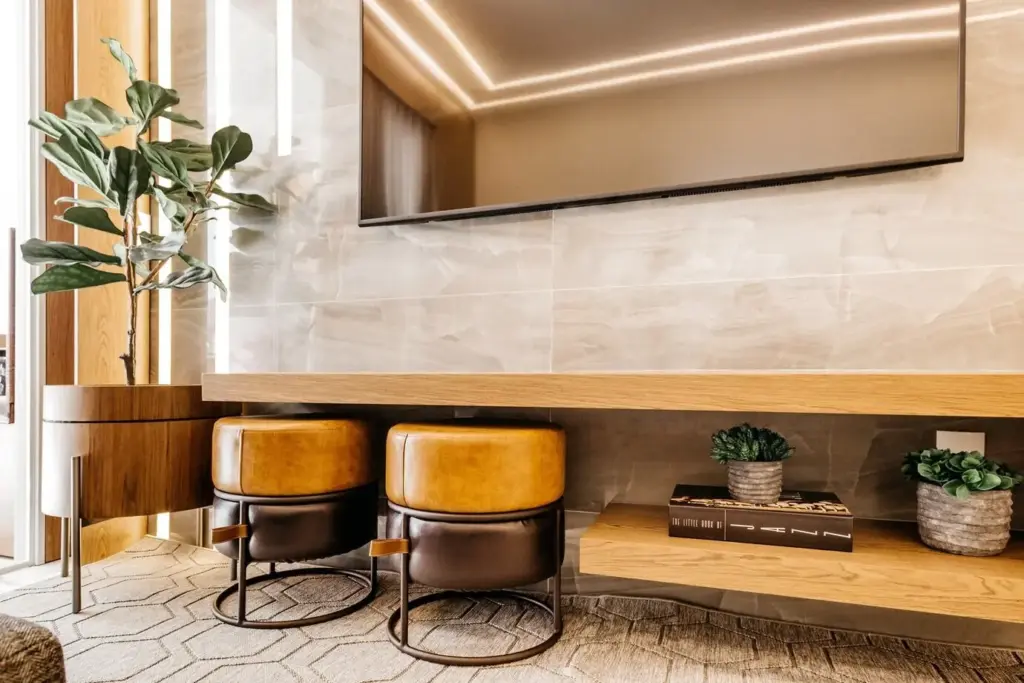
Tunable White For Mood And Health

Micro-LED Strips With Thoughtful Diffusion
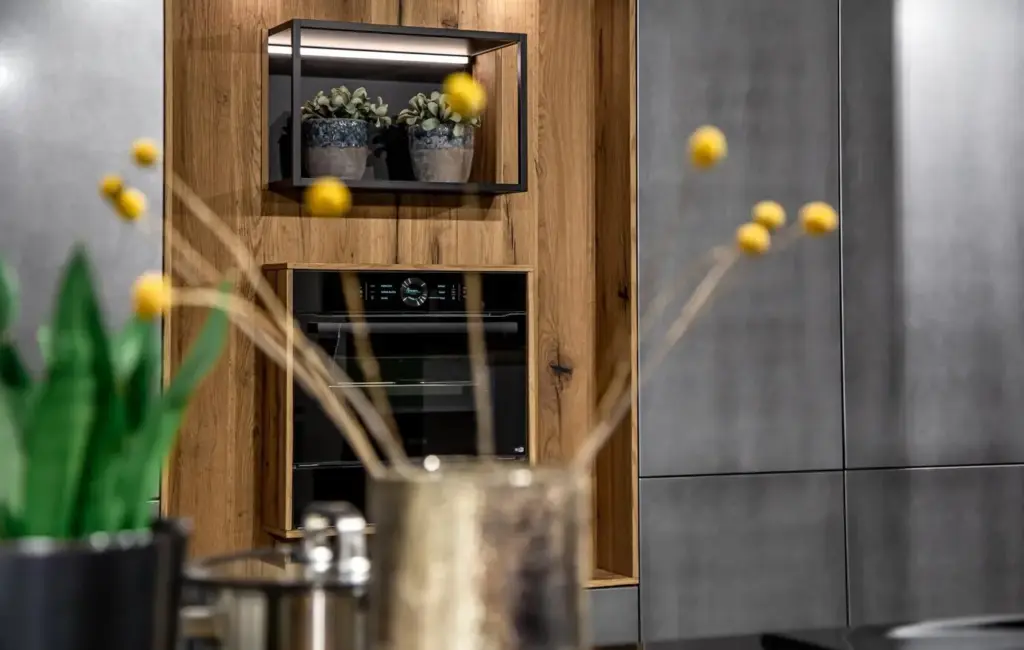
Plaster-In Speakers And Acoustic Cloth
Integrate shallow-depth speakers flush with skim coat, then skim, sand, and paint as a continuous plane. For cabinetry or walls requiring ventilation, choose acoustic fabric matched to paint color. Measure response after finishes cure, adjusting crossover, placement, and system gain for balanced coverage without audible hotspots. A client’s eyes welled up hearing a beloved record bloom from nowhere, proving emotion thrives within restraint.
Hiding Subwoofers Without Compromise
Build custom enclosures vented through baseboards or toe-kicks, decoupled to reduce rattle. Model room modes to position drivers effectively, then tune with DSP to protect headroom and articulation. Where space is tight, use slim passive radiators that disguise energy while respecting airflow, vibration, and service.
Calibrating Rooms For Honest Sound
Measure impulse response and decay with a calibrated microphone, then apply targeted treatment at first reflections using panels or discreet diffusers. Hide treatments behind stretched fabric or millwork slats. Verify listening positions for imaging, and document settings so future upgrades retain the room’s carefully tuned character.
Shades, Climate, And Comfort Without Visual Clutter
Pocketed Shades And Silent Tracks
Invisible HVAC Diffusers
Adaptive Comfort Automation
Control Without Screens Everywhere
Minimal Keypads With Meaningful Labels
Keep tactile interfaces affordant by naming outcomes, not devices: Read, Dine, Entertain, Goodnight. Use subtle backlighting, consistent positions, and haptics. Behind the faceplate, rely on hardwired buses for reliability, reserving wireless for temporary scenarios. Document mappings so guests learn quickly and hosts can evolve behaviors gracefully.
Privacy-Respecting Voice And Local Control
Choose assistants that support on-device processing and clear data controls. Place far-field microphones away from neighbors and reflective surfaces. Create a physical mute habit and visible indicators. Combine voice with occupancy, time, and light levels to trigger scenes, reducing repeated commands and keeping conversation natural, human, and relaxed.
Security And Resilience That Stay Out Of Sight
Discreet Perimeter Awareness
Network Reliability And Clean Racks
All Rights Reserved.